
Red Light Therapy Heritage
The Heritage of Red Light Therapy
Red light therapy has a deeper history than most people realize. What began as ancient observation evolved into modern science, and today it powers innovations like LUMYN Pro. From temple healers to NASA engineers, the belief that light could support the body's natural processes has persisted across centuries and cultures — and modern research has finally given that belief a scientific foundation.
Ancient Origins
The earliest recorded references to light-based healing appear in the Hindu text Atharva Veda, dating to around 1400 BCE. These ancient practitioners understood that exposure to natural light could influence wellness and vitality, even though the underlying mechanisms remained a mystery for thousands of years. Ancient Egyptian and Greek healers similarly incorporated sunlight into their therapeutic practices, using specially designed rooms and gardens to expose patients to daylight for recovery and rejuvenation. This early, intuitive understanding of light's effect on the body laid the cultural groundwork for what would eventually become a rigorous scientific discipline.
The Modern Medical Era Begins: 1903
In the late 1800s, Danish physician Niels Ryberg Finsen pioneered the use of concentrated light therapy to treat skin tuberculosis (lupus vulgaris), a disfiguring condition that had few effective treatments at the time. Finsen, who had noticed the energizing effects of sunlight on his own health, built specialized light-concentrating devices to deliver therapeutic doses to patients at his clinic in Copenhagen. His work was groundbreaking enough to earn him the Nobel Prize in Physiology or Medicine in 1903 "in recognition of his contribution to the treatment of diseases, especially lupus vulgaris, with concentrated light radiation, whereby he has opened a new avenue for medical science." Finsen's achievement marked the first time light therapy was formally recognized by the international scientific community as a legitimate medical intervention. [Source: Nobel Prize official biography, nobelprize.org]
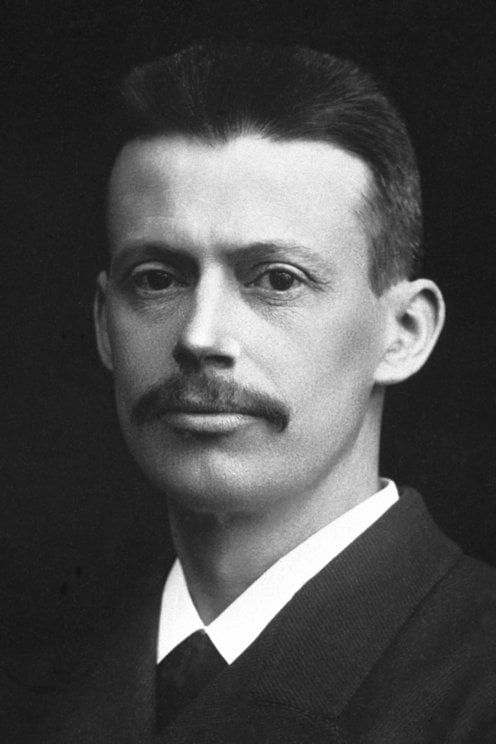
Niels Ryberg Finsen
The Discovery of Photobiomodulation: 1960s
The modern scientific foundation of red light therapy was laid in the 1960s by Hungarian physician Endre Mester at Semmelweis University in Budapest. While conducting laser experiments originally designed to study whether lasers could shrink tumors, Mester made an unexpected discovery: low-level lasers did not damage tissue as he'd anticipated, but instead stimulated hair growth and accelerated wound healing in laboratory mice. This serendipitous finding sparked an entirely new field called photobiomodulation — the science of how light at specific wavelengths interacts with cells to support energy production at the mitochondrial level, without generating damaging heat. Mester published his findings in 1968, coining the term "laser biostimulation" to describe the effect, and his work is now widely regarded as the founding moment of low-level light therapy as a scientific discipline. [Source: Wikipedia entry on Endre Mester; Frontiers in Bioengineering and Biotechnology]

Endre Mester
Space Age Research: 1990s–2000s
NASA's research into red and near-infrared LEDs began with an entirely different goal: growing plants in space to sustain astronauts on long missions. But the research revealed an unexpected secondary benefit. Between 1995 and 2003, NASA-sponsored studies — carried out through a series of Small Business Innovation Research contracts involving the Medical College of Wisconsin and Quantum Devices — examined how red and near-infrared light could support wound healing and tissue repair in astronauts operating in the demanding, low-gravity conditions of space. Researchers found that these specific wavelengths could penetrate tissue and speed the healing of wounds by boosting cellular energy production and growth-factor proteins, particularly in tissue that was starved for oxygen — a critical concern for astronauts, whose injuries tend to heal more slowly in microgravity. The findings extended beyond spaceflight, eventually informing wound-care research for military and clinical applications on Earth. [Source: NASA Spinoff, spinoff.nasa.gov; Mito Red Light historical timeline]
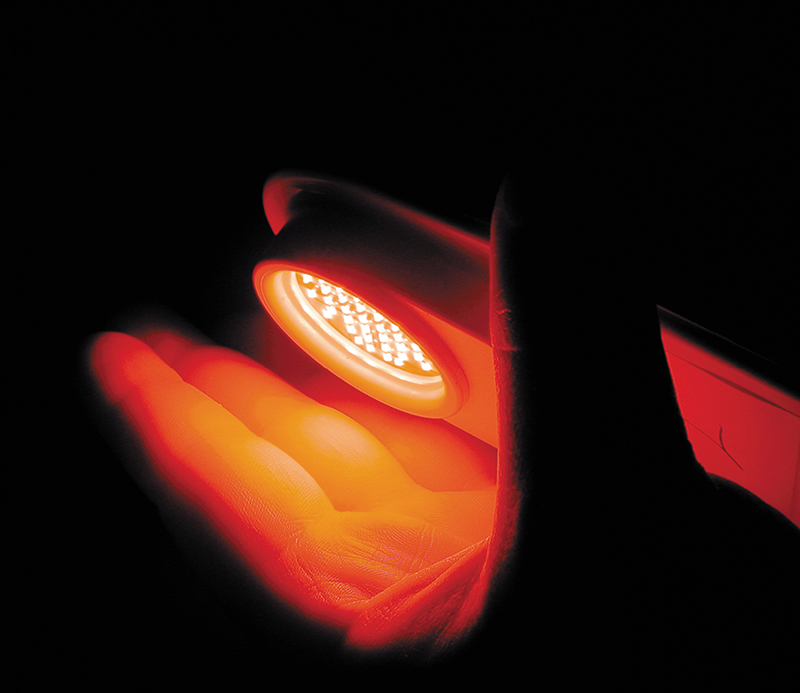
Source: NASA [See above]
Today
Thousands of peer-reviewed studies now back red light therapy, across dermatology, sports medicine, and general wellness research. Specific wavelengths, at the right intensity and duration, support cellular energy production, reduce inflammation, and promote tissue health. Mester identified the mechanism first. NASA-funded research confirmed it decades later.
LUMYN Pro builds on that history. We calibrate our wavelengths for oral health specifically, targeting gum comfort and gum health with the same photobiomodulation science that traces back to ancient observation and Nobel Prize-winning research.